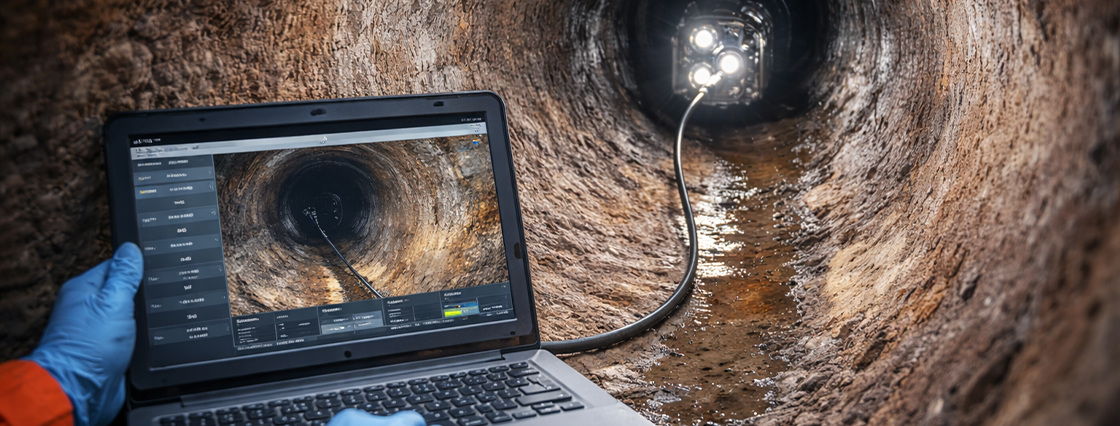
In modern industrial systems, maintaining pipeline integrity is essential. Inline pipeline inspection is an advanced method that allows internal evaluation of pipelines without interrupting operations.
Using specialized tools, inline inspection pipeline techniques collect real-time data from inside the pipeline, ensuring efficient and accurate analysis.
Types of Inline Pipeline Inspection
Internal Pipeline Inspection
Internal pipeline inspection focuses on evaluating the internal condition of pipelines, identifying corrosion, cracks, and material degradation.
NDT Pipeline Inspection
NDT pipeline inspection uses non-destructive testing techniques to assess pipeline integrity without causing damage.
One of the most widely used methods is UT pipeline inspection, which uses ultrasonic waves to detect flaws and measure thickness.
Unpiggable Pipeline Inspection
For pipelines where standard inspection tools cannot be used, unpiggable pipeline inspection methods provide alternative solutions for complex systems.
Inline Inspection Pipeline Process
A structured pipeline in line inspection process typically includes:
1. Planning and Preparation
Selecting the appropriate inspection method based on pipeline characteristics.
2. Inspection Execution
Using tools for in line inspection pipeline data collection.
3. Data Analysis
Identifying risks and anomalies from collected data.
4. Reporting
Providing actionable insights and recommendations.
Pipeline Integrity Inspection
Pipeline integrity inspection is crucial for ensuring long-term reliability. It evaluates structural strength, corrosion levels, and operational risks.
Flexible and Onstream Pipeline Inspection
Modern solutions enable flexible pipeline inspection and onstream pipeline inspection, allowing continuous monitoring without shutting down operations.
Benefits of Inline Pipeline Inspection
Implementing inline pipeline inspection provides:
- Reduced failure risks
- Continuous operation
- Lower maintenance costs
- Improved safety and compliance
Conclusion
Adopting advanced inline pipeline inspection strategies is essential for maintaining safe and efficient pipeline systems.
For expert inspection and conformity solutions, you can contact GCA Conformity.

GCA provides comprehensive inspection and compliance services.
Copyright 2026 Weonsoft ® - All Right's Reserved.